Artist
James Brown
Crate Digger's Guide
- Studio Medium:
- James Brown primarily recorded using analog multi-track magnetic tape during the 1960s and 1970s.
- Pressing Plants:
- Key pressing plants include RCA Records Pressing Plant and Columbia Records.
- Lacquer Cut:
- His recordings feature a wide frequency range, which can lead to inner-groove distortion if not mastered properly.
- Matrix Runout:
- Collectors look for matrix runout codes like 'A' or 'B' followed by initials of the mastering engineer.
Vinyl Collector Intelligence
- Grail Pressing:
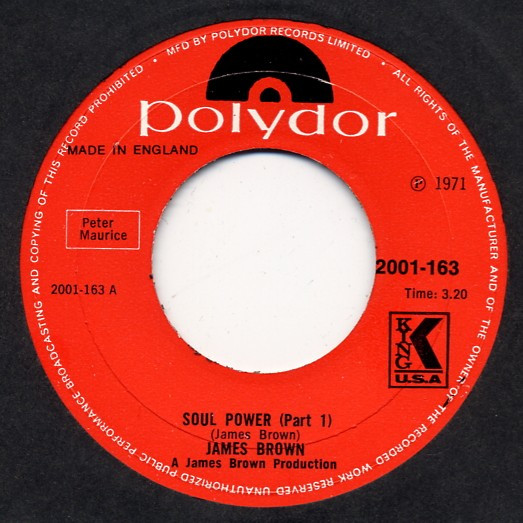
- Securing an authentic 1966 first pressing on the King imprint remains the ultimate pursuit for anyone hunting down James Brown on wax.
- Best Reissue:
- Recent deluxe Universal Music catalog remasters successfully preserve the depth of the original James Brown audio master tapes.
- Mastering & Translation:
- The sharp mid-range transient spikes and acoustic engineering in James Brown's master cuts require precise tonearm calibration to clear heavy vocal peaks without inner-groove distortion.
- Shelf Alternatives:
- Collectors tracking this era typically search out companion pressings from Otis Redding (Stax) alongside Marvin Gaye (Tamla).