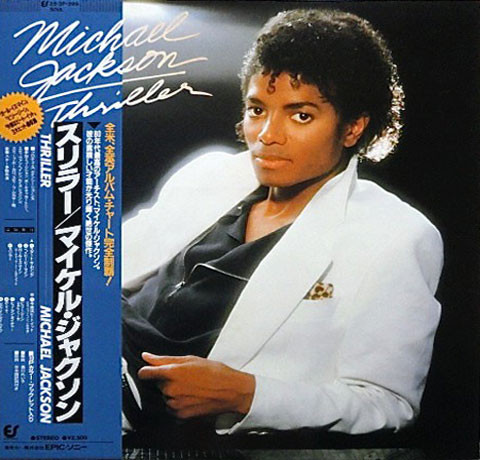
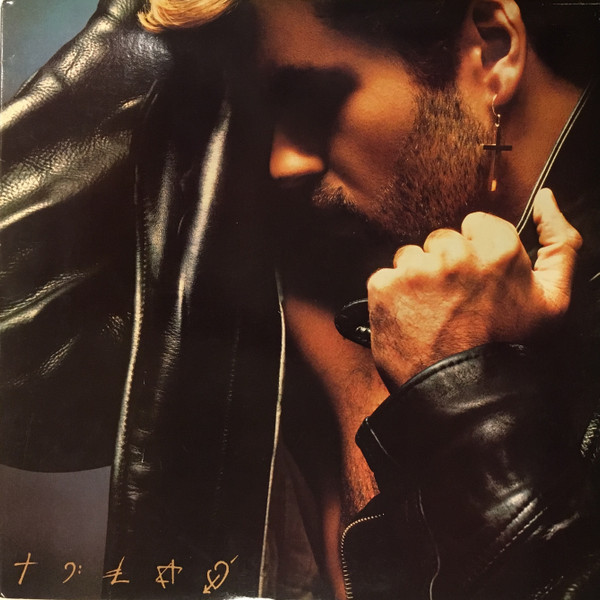
Artist
SpongeBob SquarePants
Crate Digger's Guide
- Studio Medium:
- The recordings primarily utilized digital audio workstations and synthesizers during the late 1990s and early 2000s.
- Pressing Plants:
- Core records were often pressed at plants like Record Industry and United Record Pressing.
- Lacquer Cut:
- The varied frequency ranges in the music can lead to challenges with inner-groove tracking, particularly in bass-heavy tracks.
- Matrix Runout:
- Look for etchings such as 'SpongeBob' or specific catalog numbers to authenticate first pressings.
Vinyl Collector Intelligence
- Grail Pressing:
- Securing an authentic 1999 first pressing on the Nick Records imprint remains the ultimate pursuit for anyone hunting down SpongeBob SquarePants on wax.
- Best Reissue:
- Recent deluxe Craft Recordings catalog remasters successfully preserve the depth of the original SpongeBob SquarePants audio master tapes.
- Mastering & Translation:
- The dense multitrack vocal harmonies and electronic sub-bass frequencies characteristic of SpongeBob SquarePants's production demand a stable microlinear stylus to prevent high-frequency sibilance.
- Shelf Alternatives:
- Collectors tracking this era typically search out companion pressings from Blues Traveler (A&M) alongside John Lee Hooker (Vee-Jay).